
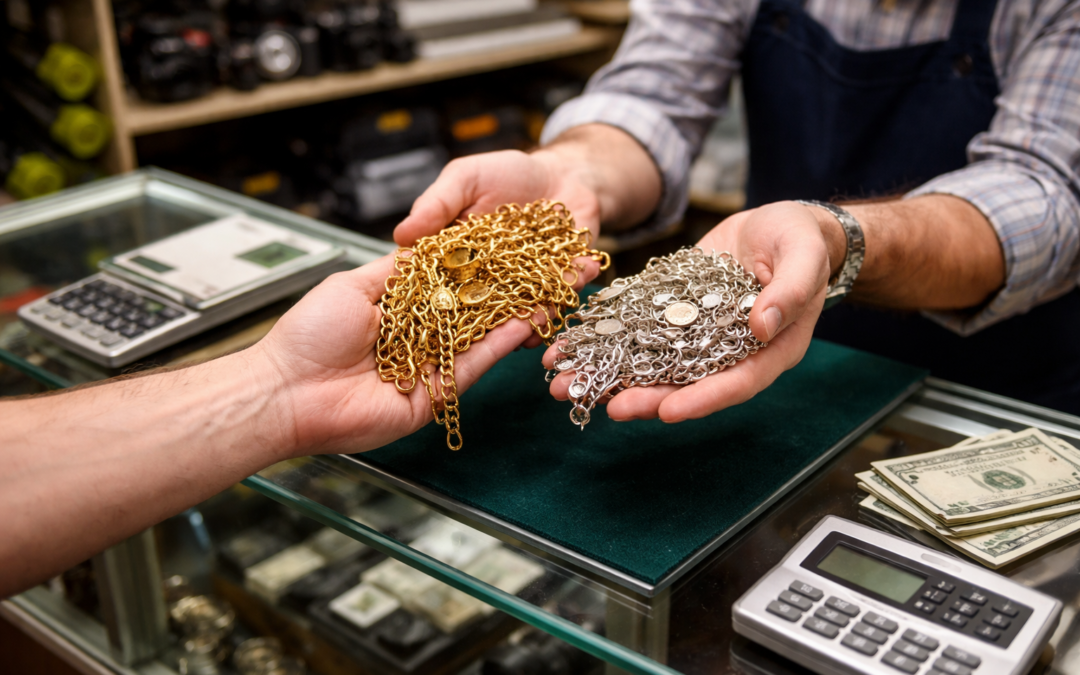
TL;DR: A gold and silver pawn lets you turn valuables into fast cash with fair, market-based pricing and secure, regulated transactions.
The Problem: You Need Cash but Don’t Want to Lose Value
Unexpected expenses can happen at any time — and when they do, many people look for quick ways to access cash. If you own gold or silver items like jewelry, coins, or bullion, you already have valuable assets on hand.
But here’s the challenge:
How do you turn those valuables into cash without getting underpaid or scammed?
Selling online can be risky, and private buyers often lack transparency. Without proper knowledge of current market value, you might accept far less than your items are worth.
The Risk of Undervaluation
Gold and silver prices fluctuate daily based on global markets. If you don’t understand how pricing works, it’s easy to accept a low offer.
Some buyers may quote vague prices or avoid explaining how they calculate value. Others may not properly test purity, leading to inaccurate appraisals.
That’s where frustration builds — especially when you realize later that your gold or silver was worth significantly more.
This is why choosing the right gold and silver pawn shop is critical.
The Solution: How Gold and Silver Pawn Works
A professional gold and silver pawn shop provides a fast, transparent way to access cash using your valuables.
Instead of selling outright, you can also use your items as collateral for a short-term loan — giving you the option to reclaim them later.
How Items Are Valued
Pawn shops base gold and silver value on three key factors:
1. Weight
Measured in grams or ounces, weight directly affects value.
2. Purity
Gold purity is measured in karats (10K, 14K, 18K, 24K), while silver is often sterling (92.5%) or fine (99.9%).
3. Market Price (Spot Price)
The current global price of gold or silver — updated daily — determines base value.
Reputable pawn shops explain these factors clearly so you understand how your offer is calculated.
Pawn vs. Sell: What’s the Difference?
When dealing with a gold and silver pawn, you have two options:
- Pawn (Loan):
You receive cash and can reclaim your item after repaying the loan plus interest. - Sell Outright:
You receive a higher one-time payment but give up ownership permanently.
This flexibility is one of the biggest advantages of pawn transactions.
Why Gold and Silver Are Ideal for Pawn
Precious metals are among the most commonly pawned items — and for good reason:
- High and stable market demand
- Easy to evaluate and verify
- Compact and valuable
- Globally recognized pricing
Because of these factors, gold and silver typically receive some of the highest loan values in pawn transactions.
What Items Can You Pawn?
A gold and silver pawn shop typically accepts:
- Gold jewelry (rings, necklaces, bracelets)
- Silver jewelry and flatware
- Gold and silver coins
- Bullion bars
- Scrap gold and broken jewelry
Even damaged or outdated items still hold value based on their metal content.
Tips to Get the Best Value
To maximize your payout:
Know the Current Market Price
Check the daily spot price of gold and silver before visiting a pawn shop.
Bring All Related Items
Chains, clasps, and matching pieces add weight and value.
Clean Your Items
Presentation matters — clean items are easier to evaluate and may lead to better offers.
Compare Offers
Don’t hesitate to visit multiple shops. The best pawn shops are confident in their pricing.
Regulation and Safety
Pawn shops are highly regulated businesses. Transactions require valid identification and are recorded for security purposes.
This protects both the customer and the business, ensuring safe and legal exchanges.
Additionally, pawn loans do not affect your credit score since they are based on collateral, not credit history.
This pawn shop is one of the fastest and safest ways to access cash when you need it most. With transparent pricing based on weight, purity, and market value, you can feel confident you’re getting a fair deal.
Whether you choose to pawn or sell, working with a reputable shop ensures a smooth, secure, and beneficial experience.
When handled correctly, your unused valuables can become a powerful financial resource.
❓ FAQ: Gold and Silver Pawn
How much will a pawn shop pay for gold and silver?
It depends on weight, purity, and current market price. Most offers range between 60–80% of resale value.
Can I get my gold back after pawning it?
Yes. Repay the loan plus interest within the agreed period to reclaim your item.
Do pawn shops test gold and silver?
Yes. They use professional tools to verify purity and authenticity before making an offer.
Is it better to sell or pawn gold?
Sell if you don’t want the item back. Pawn if you need temporary cash and want to keep ownership.
Do I need ID to pawn gold or silver?
Yes. Valid identification is required for all pawn transactions by law.